Protection principles sequence
Tap a section to hold focus, then jump to the full explanation below.
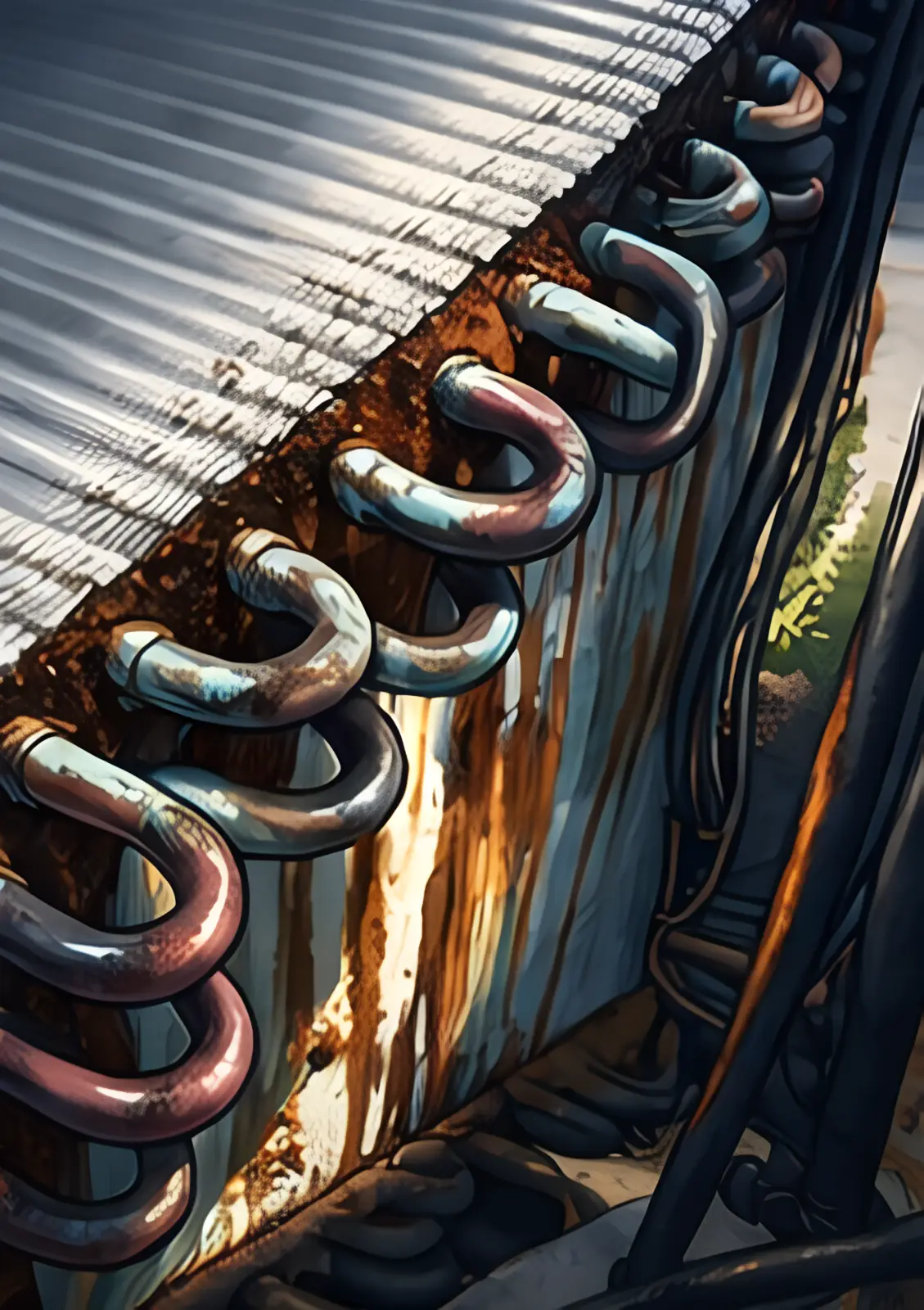
The Electrochemical Principle
Davy and Faraday's laws still govern every cathodic system. CoilShield adds a more active electrode so the coil stays cathodic and the anode takes the corrosion.
Jump to electrochemical principle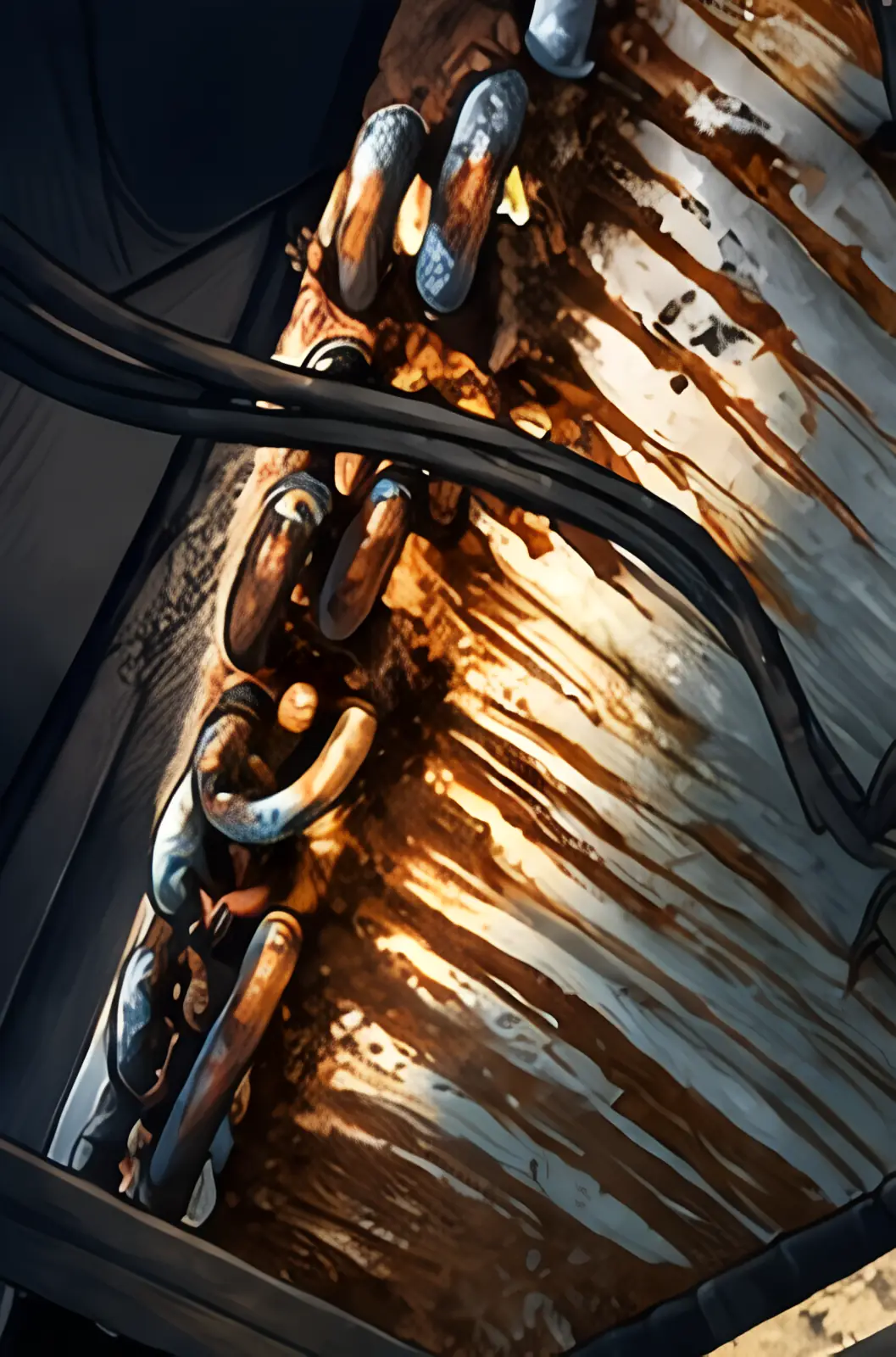
Self-Regulating by Design
Protection tracks moisture: no electrolyte when dry means no corrosion current; when condensate returns, protection ramps up without timers or manual tuning.
Jump to self-regulating design
Proven Science and Universal Fit
Regulated infrastructure has relied on the same electrochemistry for decades. CoilShield applies it at HVAC scale across aluminum, copper, and mixed-metal coils.
Jump to science and compatibility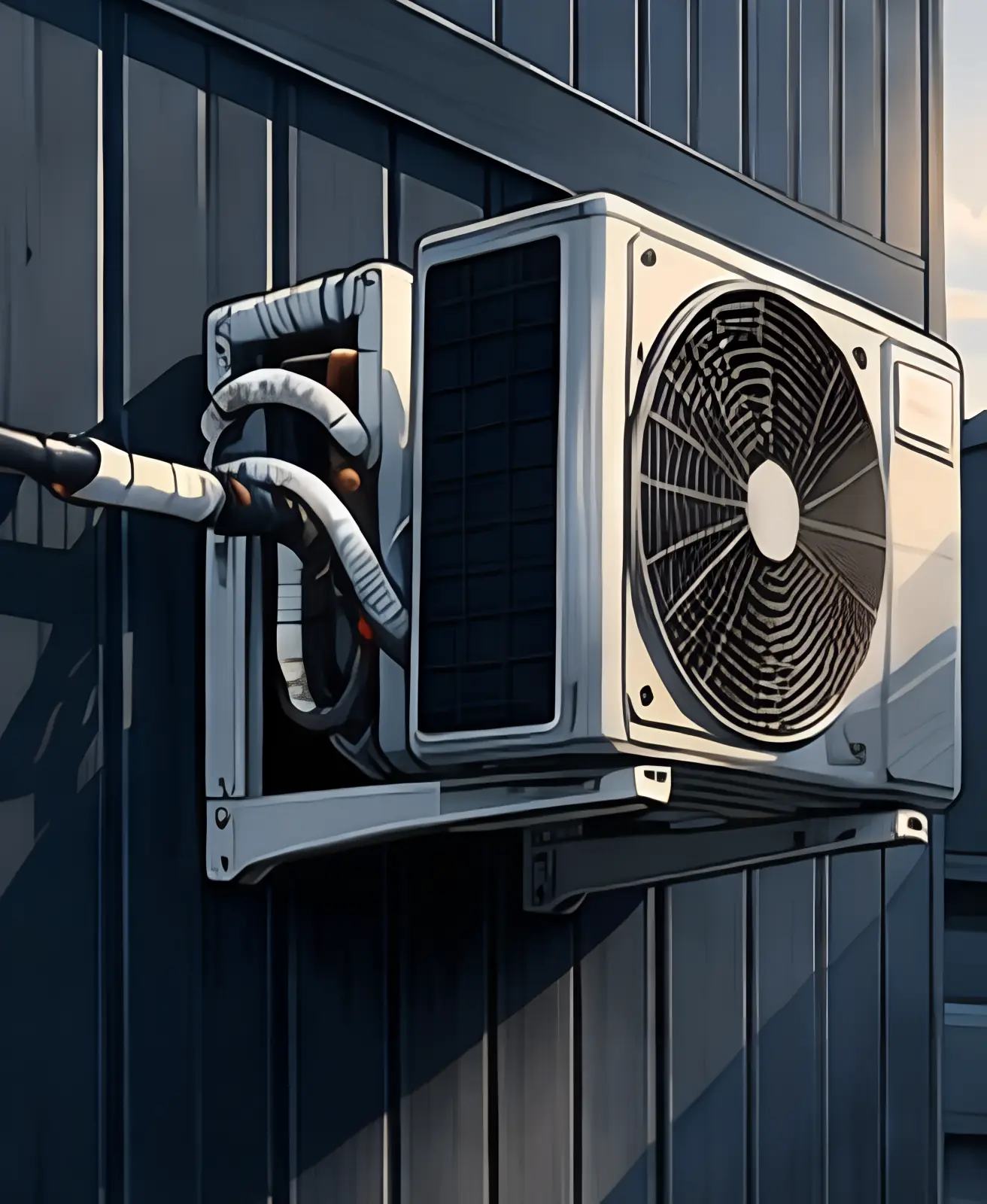
Sacrificial Anode Systems
Passive magnesium on the suction line forms the galvanic cell when condensate is present; the anode is consumed over the year and swapped at the annual service visit.
Jump to sacrificial systems
ICCP Systems for Critical Applications
Active ICCP uses a controller, inert titanium anode, and reference electrode for verifiable protection—ideal when audits, insurance, or harsh sites demand documentation.
Jump to ICCP systemsHow cathodic protection prevents coil corrosion using proven electrochemical technology.
The Electrochemical Principle
When Sir Humphry Davy solved copper hull corrosion for the Royal Navy in 1824, he did it by attaching blocks of iron. The iron corroded; the copper hull was preserved. Michael Faraday formalized the underlying electrochemical laws in 1833. Those same laws govern every cathodic protection system in use today: pipelines, underground fuel tanks, water infrastructure, and CoilShield. The mechanism is identical; only the scale is different.
Your evaporator coil is made of copper tubing and aluminum fins joined together. When condensate water forms on the coil surface during operation (which happens every time the system runs in humid conditions), those two metals in contact with a liquid electrolyte form a galvanic cell. In an unprotected coil, the aluminum is the more active metal and corrodes to protect the more noble copper. That is the default outcome without intervention.
CoilShield introduces a third electrode, either a magnesium sacrificial anode or an externally powered titanium anode, that becomes the most active metal in the circuit. The coil becomes the cathode, meaning it is the protected electrode. Corrosion attacks the replaceable anode instead of the coil. This is not a coating, a sealant, or a chemical treatment. It is a controlled electrochemical circuit.
Self-Regulating by Design
Protection is most active when moisture is present on the coil surface, which is exactly when corrosion risk is highest. When the coil is dry, there is no electrolyte, and electrochemical corrosion cannot proceed. The system responds to the actual corrosion environment without timers, sensors, or manual adjustment. A dry coil does not need protection. CoilShield is most active when it matters.
Proven Science and Universal Fit
Michael Faraday established the quantitative laws of electrolysis in 1833. Those same principles are applied in every cathodic protection system installed today. The physics has not changed because it is a fundamental property of electrochemistry, not an engineering refinement that improves with each product generation.
Pipeline, marine, and storage tank regulations worldwide have required cathodic protection for decades. The technology is trusted because it has an established failure record: it fails rarely enough to be considered reliable infrastructure protection. CoilShield applies the same controlled electrochemistry at HVAC scale.
Works with aluminum coils, copper coils, and mixed-metal evaporator and condenser coils. Compatible with every major HVAC manufacturer's equipment. No system modifications required.
Sacrificial Anode Systems
The passive option. The magnesium anode clamps to the suction line. When the system runs and condensate forms, the anode and coil create a galvanic cell. Magnesium has an electrochemical potential of approximately -1.6 V relative to copper, making it strongly anodic; it will always corrode preferentially. The anode is consumed over the course of a year and is replaced at the next annual service visit. No power required, no adjustment required. Suited for residential and light commercial applications.
ICCP Systems for Critical Applications
The active option. An external power supply drives protective current through an inert titanium anode. A reference electrode monitors coil potential in real time. The controller maintains optimal protection levels automatically, even as environmental conditions change seasonally or with facility operations.
For larger systems, more aggressive environments, or facilities where engineers need to document that protection stayed in range across seasons, audits, or insurance reviews, ICCP provides precise and verifiable control. Controller service life is approximately 10 years. Suited for commercial, industrial, and coastal commercial applications.
Questions about the electrochemistry? Our technical team can walk you through it. Contact us or email support@coil-shield.com.